Translation
Translation of the contract
Need Vietnamese Translation?
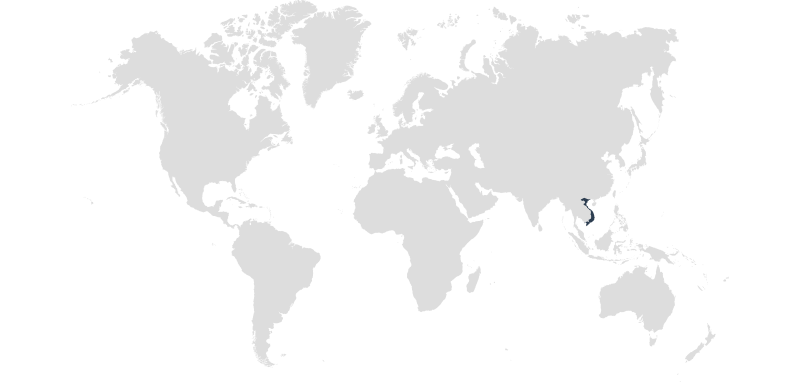
Vietnam is a multi-ethnic country made up of 54 ethnic groups. The Kinh language comprises about 86% of the population and is Vietnamese. It is sometimes called “Annamese ” in Republic of Korea.”
Vietnamese has developed over a long history and has been greatly influenced by the phonology and vocabulary of Chinese. French has also influenced it, naturally borrowing vocabulary from French and other European languages. As a result, a unique language has been formed that combines the linguistic characteristics of both Eastern and Western languages.
Currently, over 100 million people speak Vietnamese. While there are various dialects across regions, the northern dialect centered in Hanoi serves as the basis for the official standard.
Vietnamese is a tonal language with six distinct tones that alter meaning—giving the language a rich, expressive quality often compared to poetry.
The Poetic Nuance of Vietnamese Translation
One of the most important considerations in Vietnamese translation is its intricate system of honorifics. Like Korean, Vietnamese includes formal speech patterns, but instead of fixed grammar, it conveys respect through specific vocabulary and pronouns.
These expressions reveal not only the age, gender, and relationship of the other person, but also information about the speaker, so even a single word can completely change the nuance of the relationship. How you express yourself varies depending on your relationship with the other person, so the language you use with a friend will inevitably differ from that of a boss at work. Therefore, careful linguistic sensitivity is essential when translating Vietnamese.
In addition, many Vietnamese nouns are derived from Chinese characters, and using “classifiers” that indicate the nature or classification of nouns is essential. Therefore, it is crucial to go beyond simple linguistic conversion and accurately understand and reflect the cultural context and social relationships. In particular, the appropriate use of honorifics and address names is a key factor in determining the quality of translation.